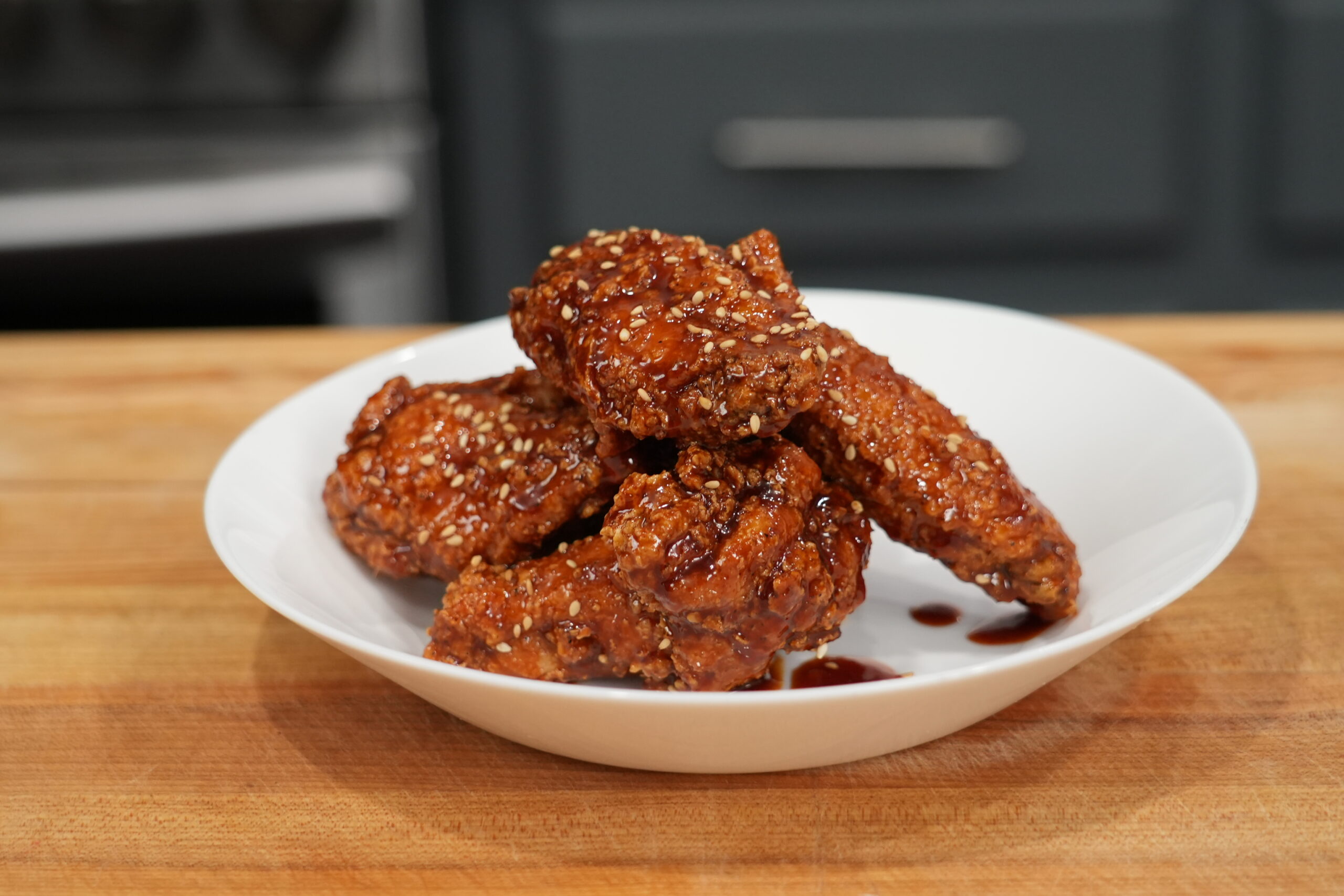
Beyond the Crunch: Why Korean Fried Chicken Stays Crispy for Hours
South Koreans consume nearly a million servings of fried chicken every single day – a staggering testament to its immense popularity, with roughly one order for every 50 people! This isn't just another fried chicken; it's a global culinary phenomenon that has captured hearts, taste buds, and even K-drama screens worldwide. But what makes this dish so uniquely satisfying, and more importantly, why does its characteristic crunch last for hours, making it the perfect takeout option? The secret lies in a masterful blend of technique and ingredients, transforming a simple chicken dish into a truly extraordinary experience. If you're looking for the ultimate korean fried chicken recipe that promises a lasting crunch, understanding these principles is key.
The Phenomenon of Korean Fried Chicken: More Than Just a Meal
The journey of Korean fried chicken began in the mid-20th century when American-style fried chicken made its way to the peninsula. However, Korean chefs, with their innate culinary artistry, didn't just adopt it; they reinvented it. They infused it with bold, distinct Korean flavors and refined the cooking methods, creating a version that is now celebrated as a culinary ambassador.
Unlike its Western counterparts, Korean fried chicken is an event, a part of the vibrant "chi-maek" culture (chicken and *maekju*, or beer). It’s often served with refreshing pickled radish and crisp cabbage slaw, balancing the rich flavors. Its appearance in K-dramas is almost as frequent as dramatic rain scenes, stirring cravings and cementing its status as a beloved comfort food. This unique style stands out for several reasons:
- Ultra-crispiness: Achieved through a meticulous cooking process.
- Lighter batter: A delicate coating that enhances, rather than overwhelms, the chicken.
- Bold glazes: Tossed in iconic sauces like sweet & spicy gochujang or savory soy garlic.
- Cultural significance: A cornerstone of social gatherings and everyday enjoyment.
This combination of flavor, texture, and cultural immersion elevates Korean fried chicken beyond mere sustenance; it's an experience.
The Secret Weapon: A Lighter, Glass-Like Batter
One of the most immediate distinctions between Korean and Western fried chicken lies in the batter. While Western recipes often use a thick, flour-heavy coating that can become bready or soft, Korean fried chicken boasts a much thinner, lighter batter. This delicate coating is fundamental to its signature "glass-like" crunch that audibly shatters with every bite.
The magic in this lighter coating comes from the strategic use of specific starches. Most authentic
korean fried chicken recipes typically call for potato starch, or a carefully balanced mix of cornstarch and a minimal amount of flour. These starches behave differently when fried compared to plain flour. They absorb less oil, create a finer, more delicate crust, and, crucially, hold their crispness for a significantly longer time. When cooked, starches form a sturdy, almost translucent shell that allows moisture to escape efficiently during frying, leading to that coveted delicate, yet incredibly crisp, exterior.
This thin, starchy layer is less prone to becoming soggy because it doesn't retain moisture as readily as a thicker, gluten-rich flour batter. It’s this meticulous attention to the batter that sets the stage for the lasting crispness we crave, providing a stark contrast to the often heavier textures of other fried chicken styles. For a deeper dive into these differences, explore
Korean Fried Chicken vs. Western: The Crispy, Light Batter Difference.
The Science of Sustained Crunch: Why Double-Frying is Key
While the batter lays the groundwork, the true genius behind Korean fried chicken's enduring crispiness lies in its signature cooking technique: the
double-frying method. This isn't just a culinary preference; it's a food science marvel designed to achieve and maintain optimal texture.
Here’s how this two-stage process transforms ordinary chicken into an extraordinary crispy delight:
First Fry: The Initial Cook and Moisture Migration
The chicken is first deep-fried at a lower temperature, typically around 300°F (150°C), for approximately 10-12 minutes. During this initial fry, two critical things happen:
- Even Cooking: The lower temperature ensures the chicken cooks through completely without aggressively browning or burning the delicate batter.
- Moisture Release: Heat begins to drive moisture from the interior of the chicken towards its surface and into the batter. The starch coating starts to set, forming a preliminary, albeit still soft, crust.
After the first fry, the chicken is removed from the oil and allowed to rest. This resting period is crucial. As the chicken cools slightly, residual heat continues to push moisture outwards. This surface moisture will be the key target for the second fry.
Second Fry: The Crisping Catalyst
Once rested, the chicken takes another dip, this time into much hotter oil, typically between 350-375°F (175-190°C), for another 5-10 minutes. This is where the magic truly happens:
- Rapid Evaporation: The intense heat instantly vaporizes the surface moisture that accumulated during the resting phase. This rapid expulsion of water creates countless microscopic air pockets within the batter, resulting in an incredibly light, airy, and brittle crust.
- Crust Formation: The higher temperature rapidly develops and hardens the starch coating, creating a sturdy, impermeable barrier that "seals" the interior. This crust becomes a protective shield.
- Golden Perfection: The chicken achieves its beautiful golden-brown color and the desired ultra-crispy texture.
The scientific principle at play is the effective removal of moisture from the outer layer of the chicken. By frying twice, with a rest in between, you essentially "dry out" the surface layer of the chicken and its batter more thoroughly than a single fry ever could. This creates a robust, almost desiccated crust that is far less susceptible to moisture reabsorption from the environment or from subsequently applied glazes. This is precisely why Korean fried chicken stays gloriously crispy for hours, making it incredibly popular for delivery and takeout.
For home cooks, precise temperature control for both frying stages is paramount to replicating this success. Investing in a good thermometer and not overcrowding your fryer are practical tips that will significantly impact the outcome of your own korean fried chicken recipe.
Beyond the Crunch: Flavors and Cultural Impact
While the crispiness is a major draw, the diverse and bold flavors are what truly cement Korean fried chicken's global appeal. From the internationally recognized sweet and spicy gochujang sauce – a tantalizing blend of chili paste, garlic, soy, and honey – to the savory, umami-rich soy garlic glaze, there’s a flavor profile for every palate. These glazes, often applied *after* the double-frying process, adhere perfectly to the ultra-crispy exterior without compromising its integrity, thanks to the robust crust created by the double-fry technique.
The enduring crispiness also means that this culinary delight travels exceptionally well. It remains a top choice for home delivery and takeout worldwide, allowing people to enjoy restaurant-quality crunch in the comfort of their own homes. Whether you're making a classic korean fried chicken recipe with Gochujang Sweet & Spicy glaze or a Soy Garlic variation for a K-drama night, the promise of that lasting crunch is what keeps people coming back for more.
Conclusion
Korean fried chicken is more than just a dish; it's a culinary masterpiece that showcases ingenious cooking techniques and a rich cultural heritage. Its ability to stay incredibly crispy for hours is no accident but a direct result of a thoughtfully designed process: a thin, starch-based batter that creates a delicate, glass-like shell, combined with the scientific precision of the double-frying method. This two-stage cooking technique effectively removes moisture, creating an impermeable, ultra-crispy exterior that locks in the chicken's juiciness and resists sogginess.
So, the next time you savor that satisfying crunch, remember the sophisticated science and artistry behind every bite. Ready to try your hand at this crispy sensation? Mastering a good korean fried chicken recipe at home is a rewarding journey, promising an explosion of flavor and an enduring crisp that will impress anyone lucky enough to share in the experience.