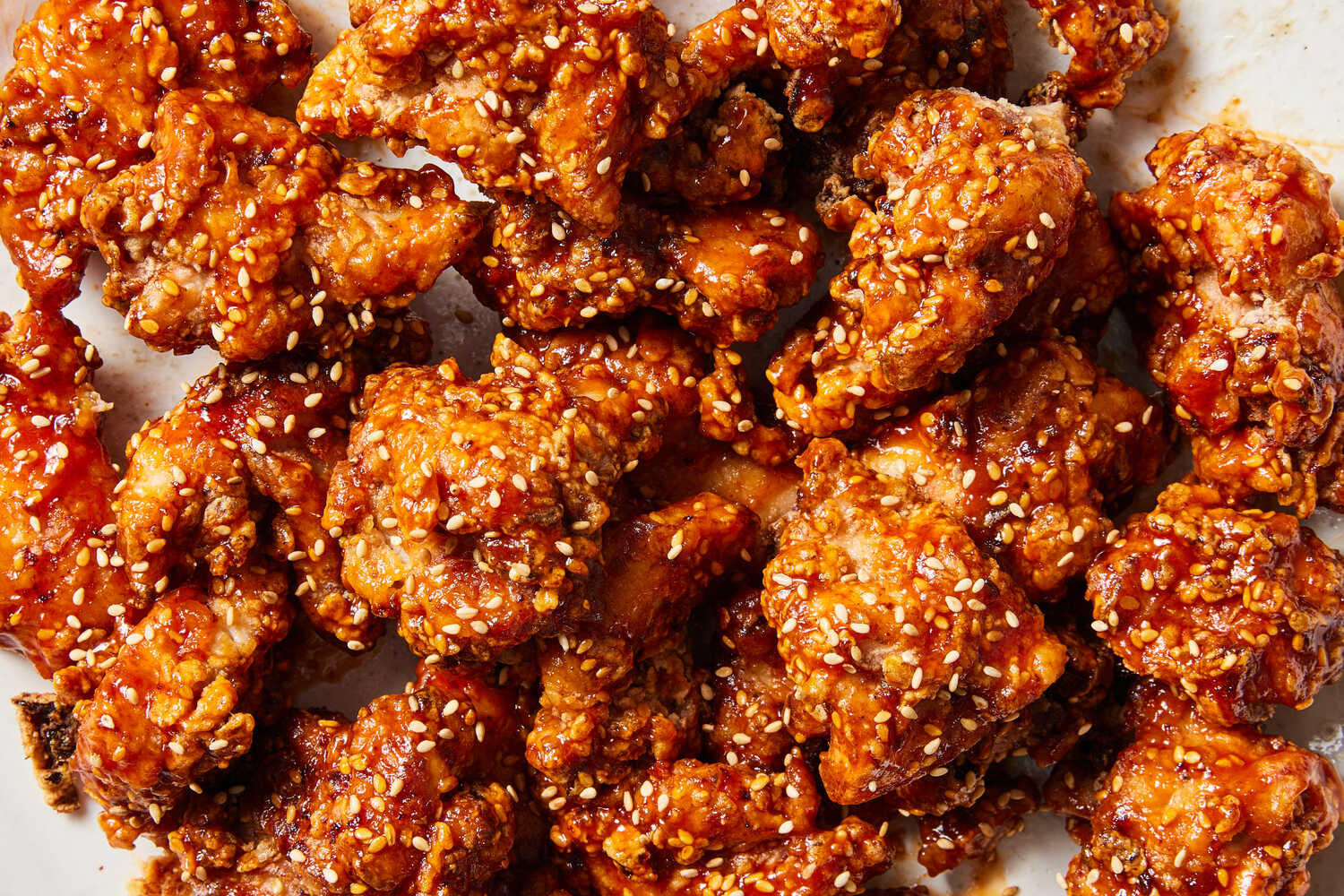
Korean Fried Chicken vs. Western: The Crispy, Light Batter Difference
Few dishes ignite a global craving quite like fried chicken, and nowhere is this more evident than in South Korea. With nearly a million servings consumed daily, a truly staggering figure for a country of its size, Korean Fried Chicken (KFC) isn't just a meal; it's a cultural phenomenon. From K-dramas where it features prominently alongside dramatic rain scenes, to bustling street corners and family gatherings, this beloved dish has captivated palates worldwide. But what makes it so incredibly special, and how does it stack up against its Western counterparts? The answer lies primarily in one crucial element: its remarkably crispy, light batter.
At first glance, fried chicken might seem like a universally understood concept, but delve deeper into a genuine
korean fried chicken recipe, and you'll discover a culinary art form. Its journey began in the mid-20th century when American-style fried chicken first arrived in Korea. Korean chefs, renowned for their innovative spirit, didn't just adopt it; they transformed it, infusing it with unique techniques and bold flavors that made it distinctly Korean. This evolution birthed a chicken dish known for an exterior so delicate it shatters with each bite, yet remains incredibly juicy inside – a stark contrast to many Western preparations.
The Global Craze and Cultural Significance of Korean Fried Chicken
The sheer volume of Korean fried chicken consumed daily speaks volumes about its immense popularity. It’s more than just fast food; it’s an integral part of Korean social life. The concept of
chi-maek, a portmanteau of "chicken" and "
maekju" (Korean for beer), perfectly encapsulates this cultural pairing. It's a go-to for celebrations, late-night snacks, and casual get-togethers, embodying comfort and communal enjoyment. This deep cultural embedment, combined with its distinct taste and texture, has propelled Korean fried chicken from local favorite to international sensation, becoming one of Korea's most delicious culinary ambassadors. Its appeal isn't just about taste; it's about an entire experience, inviting enthusiasts to master their own
korean fried chicken recipe.
Batter Up! The Secret to Korean Fried Chicken's Signature Crunch
The most fundamental difference between Korean and Western fried chicken lies in their approach to the batter. Western fried chicken, particularly the Southern American style, often employs a thick, flour-based dredge, sometimes enriched with buttermilk, creating a hearty, craggy crust. While delicious, this coating can sometimes feel dense and even bread-like, dominating the chicken's natural flavor.
Korean fried chicken, on the other hand, embraces a philosophy of lightness and crispness. Its batter is significantly thinner and finer, designed to enhance, not overpower, the chicken. This delicate coating owes its unique texture to a clever choice of starches:
- Potato Starch: A common choice, potato starch yields an incredibly light and crisp texture. It has less gluten than wheat flour, resulting in a less chewy, more fragile crust.
- Cornstarch: Often used in conjunction with a small amount of flour, cornstarch also contributes to a delicate, almost glassy crunch. It creates a fine, airy shell that fractures beautifully.
- Minimal Wheat Flour: When wheat flour is used, it’s typically in smaller quantities, further ensuring a lighter, less absorbent coating.
The result is a delicate, almost transparent shell that achieves an "incredibly crispy exterior and juicy interior." This glass-like crunch doesn't just offer a satisfying textural contrast; it also allows the succulent chicken meat to shine through, preventing the dish from feeling heavy or greasy. This meticulous approach to batter is a cornerstone of any authentic
korean fried chicken recipe.
The Double-Fry Technique: Science Behind the Enduring Crisp
Beyond the batter composition, the true magic of Korean fried chicken's enduring crispness lies in its signature cooking method:
double-frying. This isn't merely a preference; it's a food science marvel that transforms ordinary chicken into something extraordinary. This technique is precisely why Korean fried chicken stays incredibly crispy for hours, making it perfect for delivery and takeout, a quality many Western styles struggle to maintain.
Here's how this ingenious method works:
- First Fry (Lower Temperature, Longer Duration): The chicken pieces are initially deep-fried at a lower temperature, typically around 300°F (150°C), for about 10-12 minutes. This crucial first fry serves several purposes:
- Cooks Through: It gently cooks the chicken completely without browning the exterior too much, ensuring tender, moist meat inside.
- Renders Fat: It begins to render some of the fat from the chicken skin, contributing to a crisper final product.
- Sets the Batter: The thin batter sets and slightly dehydrates.
- The Resting Period: After the first fry, the chicken is removed from the oil and allowed to rest for several minutes. This seemingly simple step is critical. During this rest, residual heat continues to cook the chicken gently, and importantly, excess moisture from the interior of the chicken migrates to the surface, ready for the second fry.
- Second Fry (Higher Temperature, Shorter Duration): The chicken is then plunged back into hotter oil, usually between 350-375°F (175-190°C), for a shorter period, typically 2-5 minutes. This high-temperature, rapid frying session is where the magic happens:
- Rapid Evaporation: The intense heat quickly evaporates the surface moisture that rose during the resting period.
- Crisp Formation: This rapid moisture loss creates tiny air pockets within the thin batter, resulting in that iconic ultra-crispy, glass-like shell.
- Golden Perfection: The exterior rapidly browns to a beautiful golden hue.
The science is fascinating: the first fry prepares the chicken and its coating, while the second fry leverages rapid heat transfer to blast away remaining surface moisture, creating an incredibly crunchy texture that acts as a barrier,
keeping the chicken crispy for hours. This double-frying technique is a non-negotiable step in achieving the authentic texture desired in any exceptional
korean fried chicken recipe.
Flavor Profiles and Accompaniments
While the batter and frying method set Korean fried chicken apart, its signature sauces further solidify its unique identity. Unlike Western fried chicken, which is often seasoned dry, Korean versions are frequently glazed or tossed in bold, vibrant sauces immediately after the second fry.
Popular varieties include:
- Gochujang Sweet & Spicy: This iconic sauce, often seen as Korea's culinary ambassador, combines the fermented chili paste gochujang with honey or sugar, soy sauce, garlic, and vinegar. It offers a perfect balance of heat, sweetness, and umami.
- Soy Garlic: A milder but equally beloved option, featuring a savory and slightly sweet blend of soy sauce, garlic, and sometimes ginger and sugar.
- Other Regional Twists: Beyond these, regional variations exist, such as Chuncheon's dak-gangjeong, which often incorporates dried chiles and nuts for a distinct flavor and texture.
These glazes adhere beautifully to the delicate, crispy exterior without turning it soggy, thanks to the double-frying technique. Korean fried chicken is also traditionally served with palate cleansers like pickled radish (
mu) and sometimes a light cabbage slaw, offering a refreshing contrast to the rich, flavorful chicken.
Mastering Your Own Korean Fried Chicken Recipe at Home
Ready to bring the flavors of Seoul into your kitchen? Mastering your own
korean fried chicken recipe is an incredibly rewarding experience. Here are some actionable tips to ensure your homemade version rivals the best takeout:
- Choose Your Starch Wisely: Experiment with potato starch or a mix of cornstarch and a small amount of all-purpose flour for the batter. A dash of baking powder can also help achieve extra lightness.
- Pat Chicken Dry: Always pat your chicken pieces very dry before coating them. Excess moisture will lead to a soggy batter.
- Mind the Oil Temperature: Invest in a good thermometer to precisely control your oil temperatures during both the first and second fries. Consistency is key to the double-fry magic.
- Don't Overcrowd the Fryer: Fry in batches to maintain oil temperature and ensure each piece gets adequate space to crisp up. Overcrowding lowers the oil temperature, leading to greasy chicken.
- Resting is Essential: Do not skip the resting period between the two fries. This is where the moisture migration happens, setting the stage for ultimate crispiness.
- Sauce at the End: Only toss the fried chicken with your chosen glaze just before serving to maintain maximum crispness.
The journey to creating perfect Korean fried chicken is one of precision and patience, but the result – a symphony of crispness, juiciness, and bold flavor – is undeniably worth it.
Conclusion
Korean fried chicken has carved out a unique and cherished place in the global culinary landscape, distinguishing itself profoundly from its Western counterparts. The deliberate choice of a thinner, lighter starch-based batter, coupled with the ingenious double-frying technique, are the twin pillars that uphold its legendary status. These methods don't just cook the chicken; they engineer an unparalleled textural experience—a delicate, shattering crunch that remains incredibly crispy for hours, making it perfect for every occasion from a K-drama night to a bustling party.
Whether you're drawn to its cultural significance, its scientific approach to crispness, or simply its undeniable deliciousness, the differences are clear. It's a culinary triumph worth exploring, creating, and savoring. So, arm yourself with a reliable
korean fried chicken recipe, embrace the double-fry secret, and prepare to embark on a tasty journey that will forever change your perception of fried chicken.