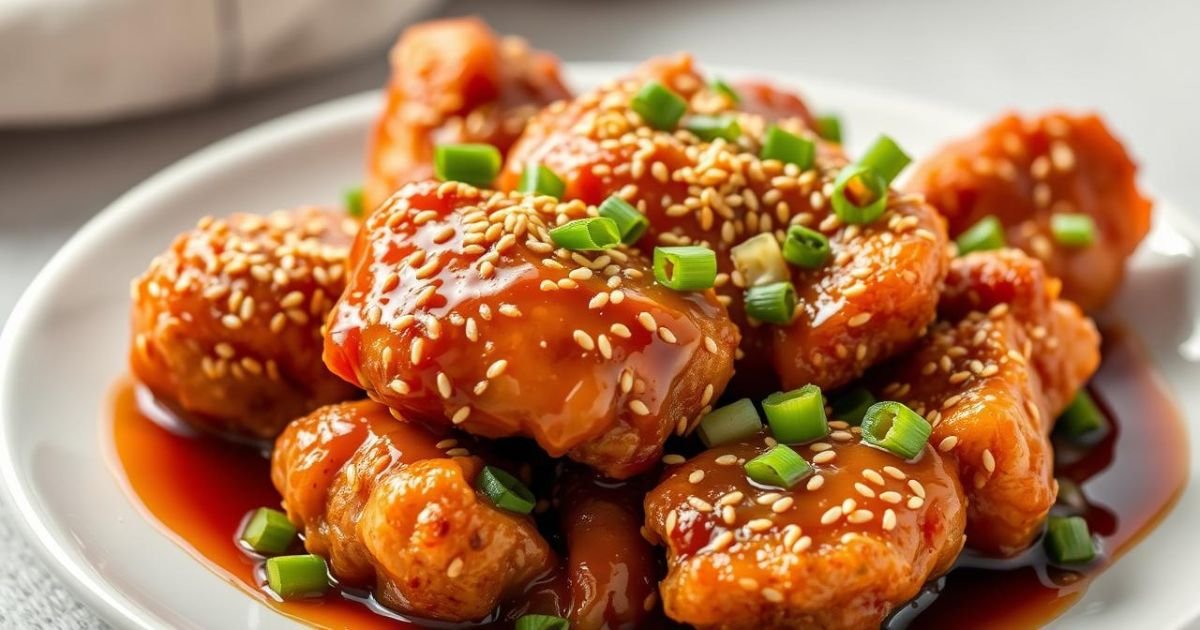
The allure of Korean Fried Chicken (KFC) is undeniable. From the bustling streets of Seoul to the captivating scenes of K-dramas, this culinary masterpiece has captured hearts and palates worldwide. Did you know that South Koreans alone consume nearly a million servings of fried chicken every single day? That staggering statistic speaks volumes about its immense popularity and deep cultural roots. If you’ve ever found yourself mesmerized by a character biting into that perfectly golden, impossibly crispy chicken on screen, then you’re in the right place to finally master this authentic delight in your own kitchen.
This isn't just another fried chicken recipe; it’s an invitation to unlock a culinary secret that transforms ordinary chicken into an extraordinary experience. The true magic behind its legendary crunch lies in one pivotal technique: the double-frying method. This process isn't just a chef's whim; it's a science-backed approach that ensures your chicken achieves an unparalleled crispiness that holds up, even after being bathed in a rich, flavorful glaze. Get ready to embark on a delicious journey and create a korean fried chicken recipe that brings the vibrant flavors of a Seoul street food spot right to your home!
The Phenomenon of Korean Fried Chicken: More Than Just a Meal
Korean fried chicken transcends the definition of mere food; it's a cultural icon, an event, and a source of immense national pride. Its story began in the mid-20th century when American-style fried chicken was introduced to Korea. However, Korean chefs, with their innate culinary brilliance, didn't just replicate it. They took this concept and infused it with bold, distinctly Korean flavors and innovative techniques, creating something entirely unique and superior. The result is a dish that has become Korea's most delicious culinary ambassador, gaining a devoted global following.
For many, the first encounter with KFC is often through the captivating world of K-dramas, where a plate of crispy chicken and a cold beer (known as chi-maek – chicken + maekju for beer) is a common and comforting sight. This pairing embodies a relaxed, communal dining experience, making KFC a staple for celebrations, casual gatherings, or simply a treat after a long day. What sets Korean fried chicken apart from its Western counterparts?
- Unmatched Crispiness: Thanks to the double-frying method.
- Lighter, Thinner Batter: It doesn't overwhelm the chicken; instead, it creates a delicate, glass-like shell.
- Bold, Diverse Sauces: From fiery sweet and spicy gochujang to savory soy garlic.
- Perfect Pairing: Often served with refreshing pickled radish and crisp cabbage slaw to cut through the richness.
- Cultural Significance: It’s part of the everyday fabric of Korean life, celebrated in popular culture.
It's this distinctive combination of texture, flavor, and cultural context that makes mastering an authentic korean fried chicken recipe such a rewarding endeavor.
Unveiling the Double-Fry Secret: Science Behind the Crunch
At the heart of every truly spectacular Korean fried chicken lies the genius of the double-frying technique. This isn't just a tradition; it's a scientific marvel that transforms the chicken’s texture, creating that coveted ultra-crispy exterior while preserving a wonderfully juicy interior. Forget soggy chicken; the double-fry ensures a crunch that truly shatters upon impact and, remarkably, stays crispy for hours. This is why it’s the perfect choice for takeout and delivery, a quality that makes it stand out globally.
Here’s a deeper look into how this pivotal process works:
The First Fry: The Foundation of Flavor and Texture
The initial fry is performed at a lower temperature, typically around 300°F (150°C), for about 10-12 minutes. During this stage, several crucial things happen:
- Cooking Through: The chicken begins to cook thoroughly without browning too quickly.
- Setting the Batter: The light batter sets, forming a protective layer around the chicken.
- Moisture Release (Initial): Some surface moisture begins to evaporate, and the chicken's internal moisture starts moving towards the surface.
The Resting Period: The Secret Catalyst
This often-overlooked step between fries is where a significant amount of the magic occurs. After the first fry, the chicken is removed from the oil and allowed to rest for 5-10 minutes. During this time, residual heat continues to cook the chicken gently, and importantly, excess moisture that has been drawn out from the chicken's interior rises to the surface of the coating. This is the moisture we want to eliminate in the second fry.
The Second Fry: Achieving the Ultimate Crunch
The final fry is executed at a significantly higher temperature, around 350-375°F (175-190°C), and typically lasts for 2-5 minutes or until golden brown and incredibly crispy. This high-heat blast achieves the following:
- Rapid Moisture Evaporation: The elevated temperature causes the moisture that has migrated to the surface during the rest period to evaporate almost instantly. This rapid evaporation creates countless tiny air pockets within the batter, resulting in that distinctively light, airy, and ultra-crispy texture.
- Perfect Browning: The high heat quickly browns the exterior to a beautiful golden hue.
- Sealing Juices: The intense heat and rapid crisping effectively seal in the chicken's natural juices, ensuring a tender and moist interior.
This brilliant two-stage process is precisely why Korean fried chicken stays crispy for hours, making it ideal for serving, delivery, and enjoying without immediate consumption.
Crafting the Perfect Korean Fried Chicken Batter and Flavor Profile
Beyond the double-fry, another key differentiator for an authentic korean fried chicken recipe is its unique batter. Unlike the thicker, often breaded coatings found in Western-style fried chicken, Korean fried chicken boasts an incredibly thin, almost translucent batter. This lighter coating is crucial for achieving that delicate, glass-like crunch that shatters with every bite, ensuring the focus remains on the chicken itself.
The Batter: Lightness is Key
The secret to this ethereal coating lies in the choice of starches. Most authentic Korean fried chicken recipes call for potato starch, cornstarch, or a careful blend of both with a small amount of flour. These starches, when combined with water, create a delicate slurry that adheres thinly to the chicken. Upon frying, they undergo a process called gelatinization, forming a super-crispy, almost translucent shell. This contrasts sharply with the heavier, flour-based batters often used in Western frying, leading to a fundamentally different texture. To delve deeper into these differences, read our comparison: Korean Fried Chicken vs. Western: The Crispy, Light Batter Difference.
Flavor Profiles: A Symphony of Tastes
Once perfectly crispy, Korean fried chicken is often glazed or tossed in an array of bold, unforgettable sauces. These sauces are what truly define the diverse landscape of Korean fried chicken flavors:
- Gochujang Sweet & Spicy (Yangnyeom Chicken): This is arguably the most iconic Korean fried chicken flavor, especially popular in Seoul. It features a harmonious blend of the fermented chili paste gochujang, garlic, ginger, soy sauce, and a touch of sweetness from honey or corn syrup. It’s a complex flavor that is at once spicy, savory, and subtly sweet.
- Soy Garlic: A perennial favorite, this sauce offers a savory, umami-rich experience. It combines soy sauce, minced garlic, a hint of sugar, and often mirin or rice wine for a deep, aromatic flavor that’s incredibly addictive.
- Honey Butter: A newer, trendy flavor, offering a sweet and savory experience with butter, honey, and sometimes a sprinkle of seasoning powder.
- Garlic Soy with Chili: A spicier take on the soy garlic, adding a kick of chili flakes or fresh chilies.
These sauces are typically applied to the chicken after the second fry, either by tossing the chicken directly in the warm sauce or by brushing it on, ensuring every piece is coated in flavorful goodness.
Your Ultimate Korean Fried Chicken Recipe at Home: Tips for Success
Bringing this incredible dish to your home kitchen requires attention to detail, but the results are incredibly rewarding. Here are some practical tips to ensure your homemade korean fried chicken recipe is a resounding success:
- Chicken Cut Selection: While wings and drumettes are traditional, boneless thighs or breast pieces can also be used. Ensure pieces are uniform in size for even cooking. Some recipes call for a brief marinade (e.g., in soy sauce, ginger, garlic, and white pepper) for added flavor, but many authentic versions rely on the sauce for most of the flavor.
- Pat Dry, Always: Before battering, ensure your chicken pieces are thoroughly patted dry. Excess moisture on the surface can prevent the batter from adhering properly and result in a less crispy finish.
- The Batter Consistency: Aim for a thin, slightly runny consistency, similar to pancake batter. It should coat the chicken lightly, not thickly. Using ice water in your batter can also help achieve a crispier texture by limiting gluten development.
- Oil Temperature Control: This is non-negotiable for the double-fry technique. Invest in a good deep-fry thermometer. Maintaining precise temperatures (300°F for the first fry, 350-375°F for the second) is crucial for texture.
- Don't Crowd the Pot: Frying too many pieces at once will drastically drop the oil temperature, leading to soggy, oily chicken. Fry in batches, allowing the oil to recover its temperature between each.
- Proper Draining: After each fry, place the chicken on a wire rack set over a baking sheet. This allows air to circulate around the pieces, preventing steaming and helping to maintain crispness.
- Sauce Application: For maximum crispiness, toss the chicken in the sauce right before serving. If you're not serving immediately, keep the chicken and sauce separate and combine when ready to eat. Some prefer to brush the sauce on, ensuring lighter coverage.
- Serve with Sides: Don't forget the classic accompaniments! Pickled radishes (chicken-mu) offer a refreshing, tangy counterpoint, while a simple cabbage slaw can add crunch and brightness. And of course, a cold beer to complete the chi-maek experience!
Mastering this technique is a culinary triumph that will elevate your home cooking and impress anyone lucky enough to share a plate with you.
From its humble origins to its global domination, Korean fried chicken is a testament to culinary innovation and passion. The double-fry method is undoubtedly the cornerstone of its success, creating an unparalleled crispiness that has captivated food lovers everywhere. By understanding the science behind the crunch, appreciating the delicate balance of a light batter, and experimenting with bold, distinctive glazes, you’re not just making fried chicken; you’re crafting an experience. So, roll up your sleeves, follow this comprehensive korean fried chicken recipe, and prepare to bring the authentic, irresistible taste of Korea right to your dining table.
